13 Healthy Sleep Habits That Can Transform Your Well-Being
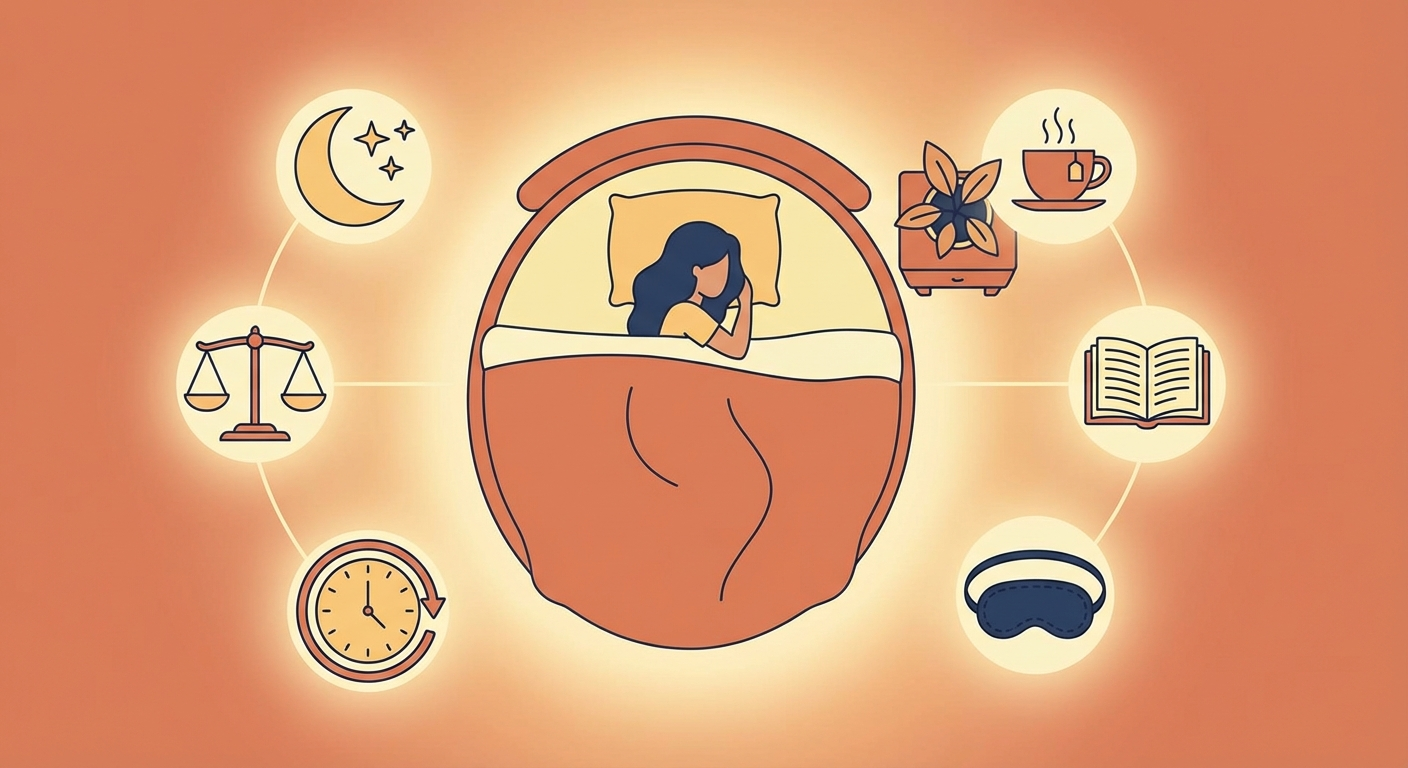
We live in a world that often celebrates the hustle—late nights, early mornings, and the constant push to do more. But here's the truth: sleep isn't a luxury. It's a biological necessity that impacts everything from your mood and memory to your immune system and long-term health. And if you're going through cancer treatment or working to prevent it, quality sleep becomes even more critical.

As the director of MD Anderson's Sleep Center puts it, one of the biggest sleep mistakes you can make is simply not prioritizing your sleep. Even one night of poor sleep can leave you feeling moody and struggling to think clearly. Over time, chronic sleep deprivation can contribute to weight gain, high blood pressure, and a weakened immune system. Research has even linked short sleep duration and disturbed sleep to increased cancer risk, possibly because poor sleep causes inflammation in the body.
The good news? Small changes to your sleep habits can make a profound difference. Whether you're in treatment or focused on prevention, improving your sleep hygiene can help combat fatigue, support cognitive function, and enhance your overall quality of life.
---
The Power of Consistency
Your body thrives on routine. Going to bed and waking up at the same time each day—yes, even on weekends—helps regulate your internal clock. Most adults should aim for seven to eight hours of sleep each night. The key is finding a schedule that leaves you feeling refreshed and alert during the day, not groggy or sleepy.
If you're unsure what works for you, consider using a fitness device or sleep tracker to monitor your rest. Once you find your ideal pattern, stick with it. Consistency reinforces your circadian rhythm, making it easier to fall asleep and wake up naturally.
---
Move Your Body, But Time It Right
Regular exercise is one of the best things you can do for your sleep. MD Anderson recommends at least 150 minutes of moderate activity each week. However, timing matters. Try to finish your workout at least two hours before bedtime. Exercising too close to sleep can leave you feeling energized and alert, making it harder to drift off.
---
Watch What You Consume
What you eat and drink in the hours before bed can make or break your sleep. Large meals close to bedtime can cause discomfort and indigestion, making it difficult to fall asleep. Try to eat dinner a few hours before you plan to turn in. If you get hungry later, a small snack is fine—just keep it light.
Caffeine is another culprit. As a stimulant, it interferes with your body's ability to relax. Limit caffeine to less than two servings per day, and avoid it after noon. Similarly, nicotine is a stimulant that can cause nighttime withdrawal symptoms and restless sleep. If you use tobacco, quitting can significantly improve your sleep quality over time.
And while alcohol might make you feel drowsy, it's actually working against you. Alcohol disrupts sleep in the second half of the night, causing awakenings and reducing sleep quality. It's best to avoid alcohol four to six hours before bedtime.
---
Naps: proceed with Caution
A short nap can feel like a lifesaver when exhaustion hits, but it can also pay off your "sleep debt" and make it harder to fall asleep at night. If you must nap, keep it under 30 minutes and avoid napping after 3 p.m.
---
Create a Wind-Down Routine
Your body needs signals that bedtime is approaching. Establishing a relaxing pre-sleep ritual helps your mind and body transition into rest mode. This could include taking a warm bath, reading a book, listening to calming music, or practicing gentle stretching. The goal is to do the same activities each night so your brain associates them with sleep.
---
Optimize Your Sleep Environment
Your bedroom should be a sanctuary designed for rest. Keep it dark—light exposure tells your brain to produce less melatonin, the hormone that regulates sleep. Blackout curtains or a comfortable sleep mask can help if your room isn't naturally dark.
Equally important is reducing blue light exposure before bed. Screens from phones, tablets, and computers emit blue wavelength light that activates alert signals in your brain. Try to avoid screens for at least an hour before bed, or use night mode if you must scroll.
On the flip side, getting natural light in the morning is incredibly helpful. A morning walk or sitting near a window helps set your circadian rhythm for the day, making it easier to feel awake now and sleepy later. If natural light is limited in your life, a 10,000-lux lamp can mimic the effects.
Finally, reserve your bedroom for sleep only. Eating, working, or watching TV in bed trains your brain to associate the space with activity rather than rest. Keep your bedroom dark, quiet, and cool—the ideal environment for deep, restorative sleep.
---
Don't Ignore Sleep Problems
If you've tried these habits and still struggle to sleep, don't dismiss it as just part of life. Poor sleep can stem from medications, underlying health conditions like sleep apnea, or movement disorders. Talk to your doctor about persistent issues. A healthcare professional can help identify the root cause and guide you toward solutions.
---
Quality sleep is one of the most powerful tools you have for protecting your health. By prioritizing consistency, creating mindful routines, and optimizing your environment, you can transform your nights and, ultimately, your days.
If you're ready to take your sleep hygiene to the next level, consider trying supportive products that complement these habits. A comfortable sleep mask can help block out light, while white noise machines or calming sound apps can create the peaceful auditory environment your body needs to unwind. Small additions like these can reinforce the healthy habits you're building—and help you finally get the rest you deserve.