Best Natural Remedies for Sleep: Science-Backed Tips for Better Rest
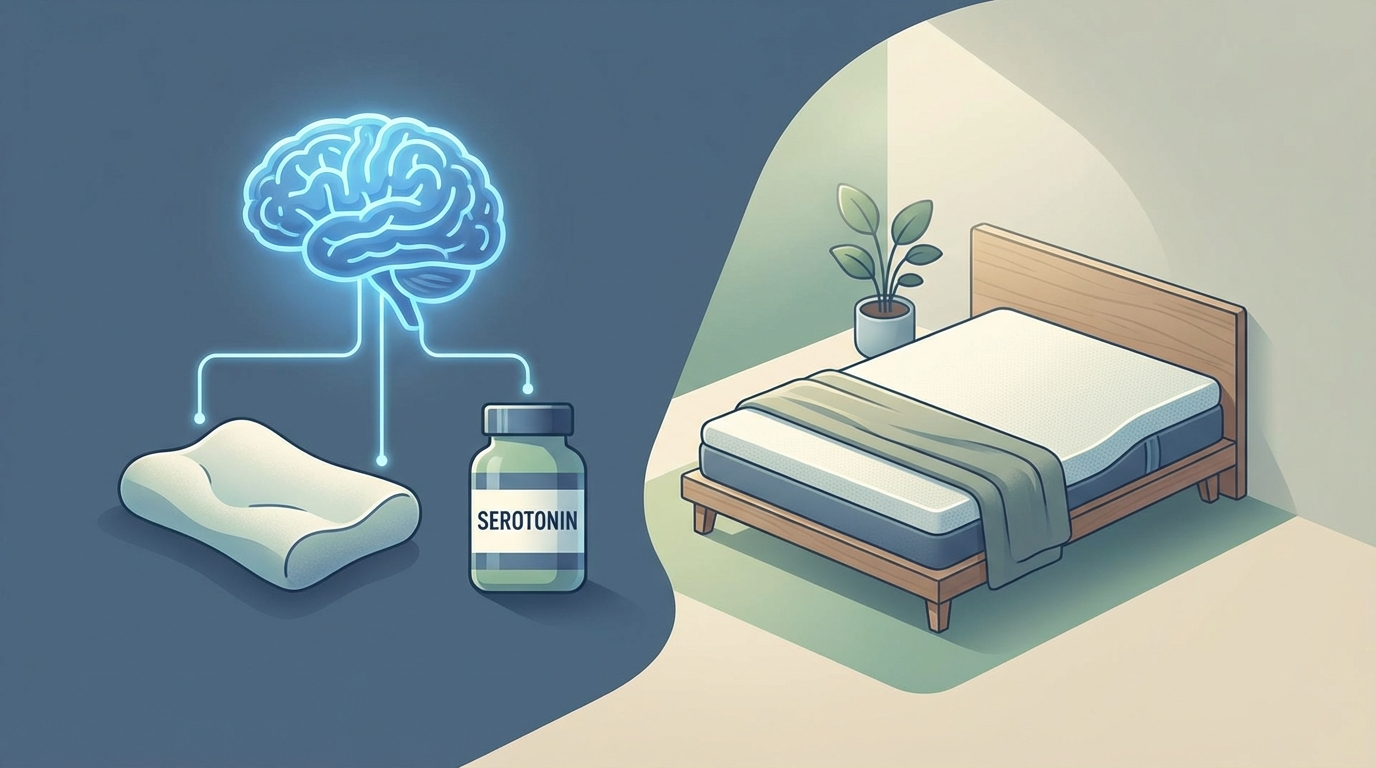
There's nothing quite like waking up after a truly restorative night of sleep. You feel energized, clear-minded, and ready to tackle whatever the day throws at you. Yet for millions of adults—especially those navigating the challenges of aging—this kind of quality rest can feel frustratingly out of reach. Racing thoughts, chronic pain, medication side effects, and the natural changes that come with getting older all conspire to disrupt our sleep patterns and leave us tossing and turning when we should be resting.

The temptation to reach for sleeping pills is understandable. Surveys suggest that nearly one in three adults over 65 have used some form of sleep aid, whether prescription or over-the-counter. While these medications can provide short-term relief, they often come with a host of drawbacks: next-day grogginess, potential dependency, unpleasant side effects, and the reality that they simply mask underlying issues rather than solving them. Fortunately, nature offers a rich toolbox of sleep remedies that work with your body rather than against it. These approaches are generally safer, non-habit-forming, and can be woven into a holistic lifestyle that supports long-term wellness.
Why Choose Natural Sleep Remedies
Natural sleep remedies offer several compelling advantages over their pharmaceutical counterparts. Perhaps most importantly, they rarely create the physical dependence that can develop with prescription sleep medications. This means you can use them as needed without worrying about withdrawal symptoms or rebound insomnia when you stop. Many natural approaches also support your overall health rather than just addressing the symptom of sleeplessness—exercise improves cardiovascular health, meditation reduces stress, and even certain supplements like magnesium support multiple body functions beyond sleep.
Safety is another significant factor to consider. While the Food and Drug Administration doesn't regulate herbal supplements with the same rigor as prescription drugs, research has consistently shown that many natural sleep aids have excellent safety profiles when used appropriately. The key is working with your healthcare provider to ensure that any supplements you try won't interact negatively with existing medications or exacerbate underlying health conditions. This collaborative approach allows you to explore effective natural options while maintaining peace of mind about your overall wellbeing.
Sleep Hygiene: Building the Foundation for Better Rest
Before exploring specific supplements or techniques, it's worth establishing the fundamental practices that underpin good sleep. Sleep hygiene refers to the habits and environmental factors that prepare your body and mind for rest. These practices work with your circadian rhythm—the internal 24-hour clock that regulates sleepiness and wakefulness—and create the conditions for deep, restorative sleep.
Consistency proves crucial when it comes to sleep hygiene. Going to bed and waking up at roughly the same time every day, even on weekends, helps stabilize your internal clock and makes it easier to fall asleep and wake up naturally. In the hours before bed, create a wind-down routine that signals to your body that sleep is coming. This might include taking a warm bath, reading a physical book (rather than scrolling on screens), journaling about the day's worries, or listening to calming music. The key is finding activities that work for you and performing them consistently.
Your sleep environment matters more than you might realize. Reserve your bedroom for sleep only—avoid working, eating, or watching television there. This training helps your brain associate the space with rest. Keep the room cool, dark, and quiet; consider blackout curtains, a white noise machine, or soft earplugs if external disturbances are a problem. If chronic pain or conditions like sleep apnea interfere with your rest, elevating your head with an adjustable bed or specialized pillow can help open airways and reduce pressure points. And never underestimate the importance of a quality mattress—one that properly supports your body can make the difference between waking up refreshed and waking up sore.
Mindfulness and Meditation for Sleep
The connection between mental state and sleep quality cannot be overstated. When your mind races with worries about health, finances, relationships, or the state of the world, calming down enough to drift off can feel impossible. Mindfulness meditation offers a powerful antidote to this cycle of anxious rumination, training your nervous system to relax and your thoughts to quiet.
The beauty of mindfulness is its accessibility. You don't need special equipment or years of practice to benefit. Simple breathing exercises can activate your body's parasympathetic nervous system, which controls the relaxation response. One effective technique involves the "square breath": inhale through your nose for four seconds, hold for four, exhale through your mouth for four, and repeat until you feel calmer. Another approach involves choosing a simple, positive mantra—a word or phrase that feels comforting and meaningful—and repeating it silently as you settle into bed.
Making meditation a consistent part of your evening routine amplifies its benefits. Even five to ten minutes of focused breathing or affirmation practice before bed can signal to your body that it's time to transition from the alertness of daytime to the restfulness of night. Over time, these practices can rewire your response to stress, making it easier to let go of the day's concerns and surrender to sleep.
Exercise: Your Natural Sleep Aid
Physical activity stands out as one of the most effective, evidence-based strategies for improving sleep quality. The relationship between exercise and rest is bidirectional: better sleep makes it easier to exercise, and regular movement makes it easier to sleep deeply. This positive cycle benefits nearly every system in your body while specifically targeting the mechanisms that regulate sleep.
Exercise helps regulate your circadian rhythm by exposing you to natural light and creating predictable patterns of activity and rest. It also reduces cortisol levels—the stress hormone that can keep you awake at night—and promotes the release of endorphins that improve mood and promote relaxation. Research consistently shows that aerobic exercise, performed consistently and at appropriate times, helps people fall asleep faster, stay asleep longer, and experience more restorative deep sleep cycles.
The good news is that you don't need to become a dedicated athlete to reap these benefits. Any movement that you enjoy and that suits your mobility level counts. Walking, gardening, dancing, swimming, and gentle stretching all offer sleep-promoting benefits. The important thing is choosing activities you genuinely enjoy, adjusting for weather and physical limitations, and timing your workouts appropriately. Exercising too close to bedtime can actually interfere with sleep by boosting your energy levels, so aim to complete more vigorous activities at least four hours before you plan to sleep.
Herbal Supplements and Essential Oils
When lifestyle adjustments alone aren't enough, many people turn to herbal supplements and essential oils to support their sleep. These natural remedies have been used for centuries across different cultures, and modern research is increasingly validating their effectiveness for many individuals.
Lavender has earned particular attention from researchers studying sleep and relaxation. Studies show that lavender essential oil, whether diffused in the bedroom or applied topically in diluted form, can reduce anxiety, calm the nervous system, and improve both sleep duration and quality. Its gentle, floral scent appears to interact with brain chemistry in ways that promote restfulness without any groggy aftereffects.
Magnesium plays several roles in sleep regulation that make it a valuable supplement to consider. This mineral serves as a building block for melatonin production, helps relax muscles and nerves, and may reduce cortisol levels. Magnesium deficiency is relatively common, particularly among older adults, and addressing it through diet or supplements can lead to noticeable improvements in sleep quality.
Melatonin supplements work directly with your circadian rhythm by providing your body with the hormone it naturally produces in response to darkness. While research on melatonin's effectiveness for chronic insomnia is still developing, many people find it helpful for occasional sleeplessness, jet lag, or adjusting to shift work. Because your body already produces this hormone, supplements tend to be well-tolerated with minimal side effects.
Passionflower and valerian root round out the most researched natural sleep aids. Passionflower contains compounds that increase GABA levels in the brain, promoting relaxation and improving sleep quality as demonstrated in several clinical studies. Valerian root, while requiring more research to fully understand its mechanisms, has a long history of traditional use for sleep and shows a favorable safety profile.
CBD, derived from hemp plants, has emerged as another option worth considering. Unlike its cousin THC, CBD doesn't produce any psychoactive effects, but research suggests it may help reduce the anxiety and pain that interfere with sleep. As with any supplement, it's wise to start with a low dose and discuss use with your healthcare provider.
Looking Forward
Improving sleep naturally requires patience and a willingness to experiment with different approaches. What works beautifully for one person may be less effective for another, so pay attention to your body's responses and adjust accordingly. The combination of consistent sleep hygiene practices, regular physical activity, stress management techniques, and carefully selected natural supplements often produces the best results—better than any single strategy alone.
If you've been struggling with persistent sleep issues, remember that investing in your sleep environment can make a profound difference. A mattress that properly supports your body, paired with appropriate pillows and comfortable bedding, creates the physical foundation for restful nights. Many modern mattress options are specifically designed to address common issues like back pain, pressure points, and temperature regulation—all factors that can otherwise interrupt your sleep cycles night after night.