Best Natural Remedies for Sleep: Science-Backed Tips for Better Rest
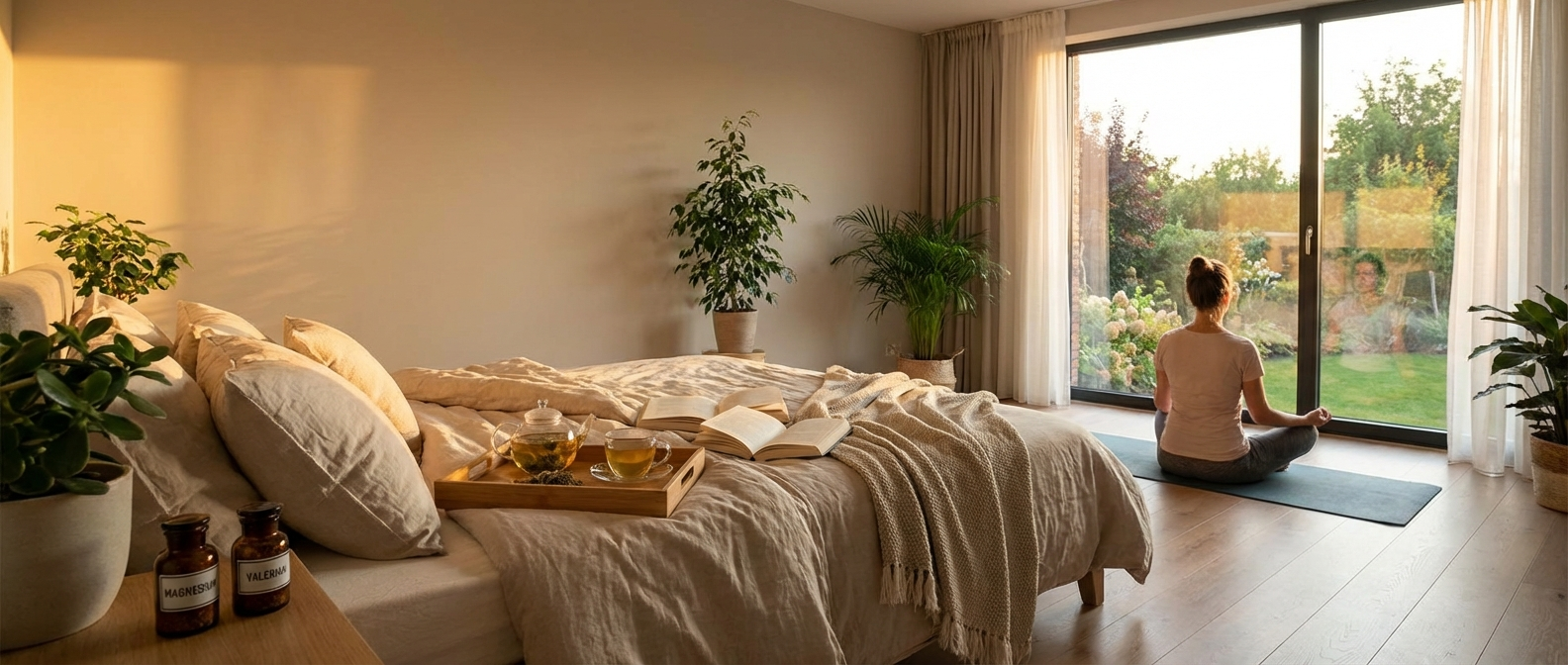
Nothing beats a solid night's sleep. Waking up refreshed, revitalized, and ready to take on the day—it's a feeling we all crave, yet many of us struggle to achieve, especially as we get older.

The truth is, getting 7-9 hours of quality sleep isn't just a luxury; it's essential for our physical and cognitive well-being. Yet according to the Cleveland Clinic, as many as one in three people age 65 or over use some form of prescription or over-the-counter sleep aid. While these medications can provide temporary relief, they often come with unwanted side effects, risk of dependence, and may even worsen sleep problems over time.
The good news? Natural sleep remedies offer a safer, sustainable alternative. From lifestyle adjustments to herbal supplements, science-backed strategies can help you drift off peacefully—without the drawbacks of traditional sleeping pills.
Why Choose Natural Sleep Remedies?
Natural remedies for sleep come with several advantages that make them attractive for anyone looking to improve their sleep quality without relying on medications.
They're not habit-forming. Unlike many prescription and OTC sleep aids, natural remedies typically don't lead to physical dependence. This means you can use them as needed without worrying about building tolerance or experiencing withdrawal symptoms.
They support overall wellness. Many natural sleep strategies—like exercise, meditation, and proper sleep hygiene—also improve your broader health. Regular physical activity boosts cardiovascular health, reduces stress, and regulates your circadian rhythm. Mindfulness practices can lower blood pressure and ease anxiety.
They have fewer side effects. While all supplements should be used with caution, natural remedies like magnesium, lavender, and melatonin generally cause fewer adverse reactions than pharmaceutical sleep aids. Of course, it's always wise to consult your healthcare provider before starting any new supplement, especially if you take other medications.
Sleep Hygiene: Building the Foundation for Better Rest
Before reaching for any supplement, start with the basics. Good sleep hygiene trains your mind and body to recognize when it's time to wind down.
Stick to a consistent schedule. Going to bed and waking up at roughly the same time every day—yes, even on weekends—supports your circadian rhythm, your body's internal 24-hour clock that regulates sleep and wakefulness.
Create a relaxing bedtime routine. About an hour before bed, engage in calming activities: take a warm bath, journal, or listen to soothing music. This signals to your body that bedtime is approaching.
Ditch the devices. Blue light from phones, tablets, and laptops disrupts circadian rhythms and can cause anxiety. If you enjoy reading before bed, swap your screen for a physical book instead.
Optimize your sleep environment. Keep your bedroom cool, dark, and quiet. Reserve your bed for sleep only—avoid working, eating, or watching TV there. Consider using a white noise machine or earplicks if noise is an issue.
Don't force it. If you haven't fallen asleep after about 20 minutes, get up and do something calm like reading until you feel sleepy. Staring at the ceiling often increases anxiety and makes falling asleep even harder.
Exercise: Your Natural Sleep Aid
Regular physical activity is one of the most effective natural remedies for sleep—and you don't need to become a marathon runner to benefit.
Exercise helps regulate your circadian rhythm, reduces stress hormones like cortisol, and improves sleep quality by helping you fall asleep faster and stay asleep longer. Even gentle activities like walking, gardening, or dancing count.
Try to finish any vigorous exercise at least four hours before bedtime, as the energizing effects can interfere with falling asleep. Choose activities you genuinely enjoy, whether that's swimming, chair yoga, or tending to your garden. The key is consistency—moving your body daily leads to better rest over time.
Herbal Supplements and Essential Oils That Promote Sleep
Several natural supplements have shown promise in clinical studies for improving sleep quality:
Melatonin is a hormone your brain produces in response to darkness. Supplements can help reset your circadian rhythm, especially useful for shift workers or those experiencing jet lag.
Magnesium serves as a building block for melatonin production and may help relax muscles and calm the nervous system.
Lavender essential oil has been studied for its calming effects. Research shows it can reduce anxiety and improve sleep duration and quality.
Passionflower contains GABA, a chemical that promotes relaxation. Studies indicate it can improve insomnia symptoms and sleep quality.
CBD (cannabidiol) derived from hemp may help reduce stress and pain, both common barriers to restful sleep.
Valerian root is a traditional herbal supplement that many people find helpful, though research results are mixed.
Always check with your doctor before trying any new supplement, as some can interact with medications or may not be appropriate for certain health conditions.
Mindfulness Meditation for Better Sleep
If racing thoughts keep you awake, mindfulness meditation might be the answer. This practice helps reduce stress and encourages relaxation—exactly what you need at bedtime.
Try deep breathing: inhale through your nose for four counts, hold for four, and exhale through your mouth for four. Repeat up to ten times. You can also try a simple mantra—repeat a calming word or phrase like "peace" or "rest" to quiet your mind.
Start with just 5-10 minutes during your bedtime routine and build from there. Consistency is key.
When to Consider Professional Help
If you've tried natural remedies without success, cognitive behavioral therapy for insomnia (CBT-I) is a highly effective, non-drug treatment. It helps you change negative thoughts and behaviors around sleep and typically lasts six to eight weeks. Many insurance plans cover this type of therapy.
Finding Your Path to Better Sleep
Everyone's sleep journey is different. What works for one person may not work for another, and that's okay. The key is experimenting with these natural strategies, being patient with yourself, and prioritizing sleep as a vital component of your health.
If you've made lifestyle changes but still struggle with sleep, consider investing in your sleep environment. A quality mattress can make a remarkable difference in how well you rest. Look for options designed to support proper spinal alignment and reduce pressure points—features that can be especially helpful for those dealing with chronic pain or discomfort.
---
Finding the right combination of natural remedies takes some experimentation, but the payoff—a full night's rest—makes it worth the effort. Whether you start with better sleep hygiene, add a daily walk, or try a supplement like magnesium or melatonin, small changes can lead to significant improvements in how you feel. And if you're ready to take your sleep setup to the next level, exploring a supportive mattress designed for your specific needs might be the final piece of the puzzle. Sweet dreams are within reach.