The Ultimate Guide to Sleep Hygiene: Science-Backed Tips for Better Sleep
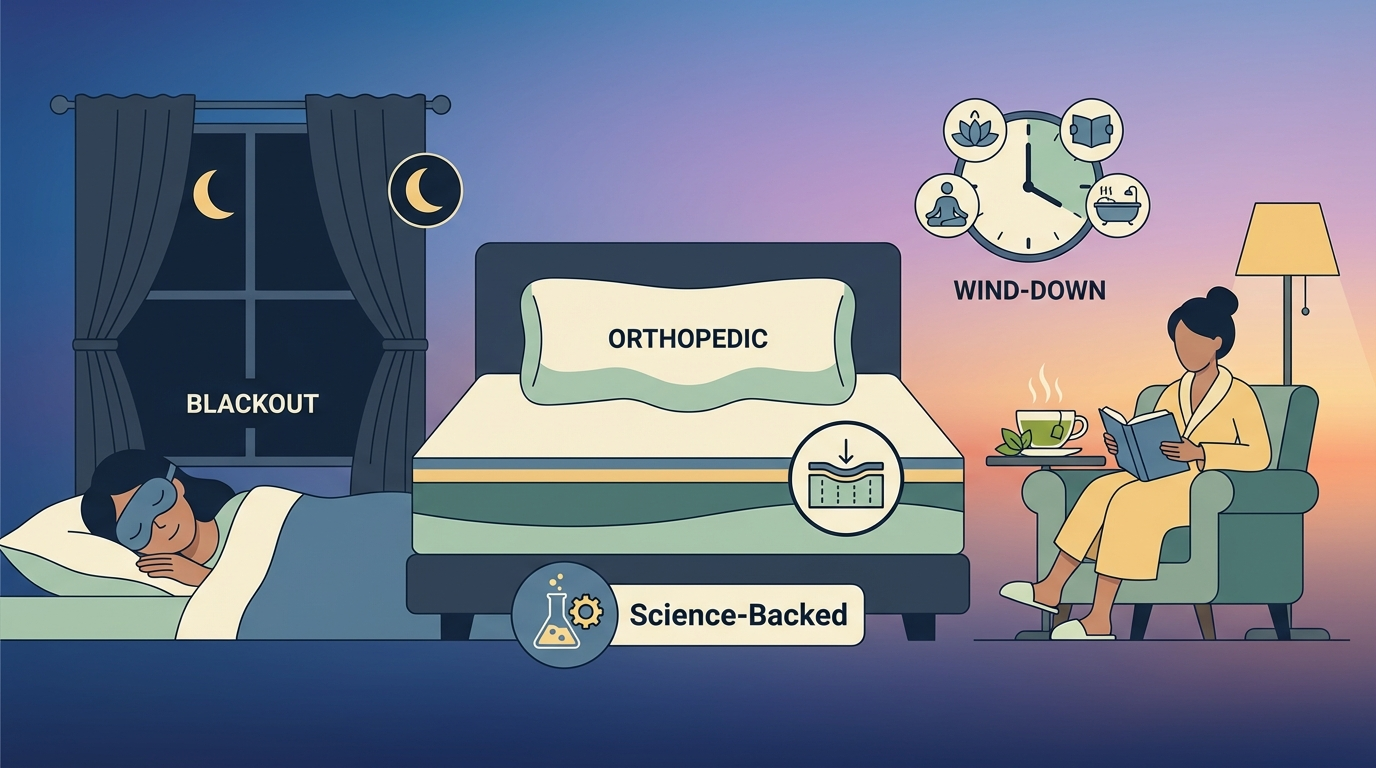
Sleep is one of the most powerful tools we have for optimizing our health, yet it's often the first thing we sacrifice when life gets busy. The truth is, quality sleep isn't a luxury—it's a biological necessity that impacts every aspect of our well-being, from cognitive function and emotional resilience to physical recovery and pain management. Research consistently shows that poor sleep increases sensitivity to pain, raises the risk of injuries, and slows recovery from musculoskeletal injuries and concussions. With insights from leading sleep scientists like Dr. Matthew Walker, who has shared his expertise on podcasts with Dr. Andrew Huberman and Dr. Peter Attia, let's explore the most effective, evidence-based strategies to help you sleep deeper, wake refreshed, and protect your overall health.

1. Maintain a Consistent Sleep Schedule
Your body operates on an internal clock called the circadian rhythm, and it thrives on predictability. Going to bed and waking up at the same time every day—even on weekends—helps reinforce this natural cycle, making it easier to fall asleep and wake up feeling refreshed. Irregular sleep patterns, on the other hand, can lead to fragmented sleep, daytime fatigue, and increased health risks over time.
One simple but effective strategy is to set a bedtime alarm—not to wake you up, but to remind you when it's time to start winding down. Treating this signal as seriously as your morning alarm can make a remarkable difference in your sleep consistency.
2. Optimize Light Exposure
Light is the most powerful regulator of your sleep-wake cycle, and understanding how to manipulate it can transform your sleep quality. When you expose yourself to natural sunlight within the first 30 to 60 minutes of waking, you send a strong signal to your body that it's time to be alert and active. This morning light exposure helps set your internal clock for the day ahead.
Equally important is what you do with light in the evening. Artificial light—especially the blue light emitted by screens—suppresses melatonin production, the hormone responsible for making you feel sleepy. To protect your natural sleep onset, reduce screen time and artificial lighting at least one to two hours before bed. If you must use devices at night, enable blue light filters or consider wearing blue-light-blocking glasses to minimize the impact.
3. Keep Your Bedroom Cool, Dark, and Quiet
Your sleep environment is the stage on which quality rest happens, and small adjustments can yield significant results. Research shows that a cooler room—around 65°F or 18°C—promotes deeper, more restorative sleep by helping your body's core temperature drop naturally during the night.
Darkness is equally critical. Even small amounts of light, whether from streetlights, electronics, or nightlights, can disrupt melatonin production and fragment your sleep. Blackout curtains or a comfortable sleep mask can create the cave-like environment your body needs for optimal rest. For noise, consider earplugs or a white noise machine to mask disruptive sounds that might pull you out of sleep throughout the night.
An additional tip: dim the lights in your home about an hour before bed. This gradual reduction signals to your body that nighttime is approaching, helping you transition into a restful state more naturally.
4. Avoid Stimulants Late in the Day
What you consume and when you consume it can have a profound effect on your sleep. Caffeine, the world's most widely used stimulant, has a half-life of five to six hours, meaning half of it is still circulating in your system hours after your last cup. To ensure caffeine doesn't interfere with your sleep, avoid it at least eight to ten hours before bedtime—ideally no later than early afternoon.
While alcohol might make you feel drowsy and help you fall asleep initially, it actually disrupts sleep architecture, particularly REM sleep, leading to fragmented and non-restorative sleep. Instead of reaching for that evening drink, consider a warm cup of herbal tea like chamomile or valerian root, both of which have calming properties that support natural sleep.
5. Implement a Wind-Down Routine
Sleep doesn't happen on a switch—it's a gradual transition that requires your body and mind to放松. Creating a consistent wind-down routine signals to your brain that bedtime is approaching, helping you ease into sleep mode.
Incorporate relaxing activities like reading a physical book, practicing deep breathing exercises, or doing gentle stretching. Avoid intense workouts, stimulating conversations, or exciting content on screens close to bedtime, as these can elevate alertness and make it harder to quiet your mind.
One particularly effective strategy is taking a warm bath or shower before bed. While it may seem counterintuitive, the subsequent drop in your core body temperature after exiting the warm water actually promotes drowsiness and signals to your body that it's time to sleep.
Creating a "no-screen" rule for the 30 to 60 minutes before bed can be one of the most transformative changes you make. The mental stimulation and blue light from devices kept you alert when you should be winding down.
6. Exercise Regularly, but Not Too Late
Physical activity is one of the most powerful natural sleep enhancers, but timing matters more than you might think. Morning and afternoon workouts expose you to natural light and help regulate your circadian rhythm, leading to easier sleep onset at night.
However, vigorous exercise too close to bedtime can have the opposite effect. Intense workouts raise your core body temperature, release adrenaline, and increase alertness—all of which make falling asleep more difficult. Aim to finish vigorous exercise at least two to three hours before bed. If you want to move in the evening, opt for light yoga, stretching, or a leisurely walk to help your body transition into rest mode without overstimulating your system.
7. Be Mindful of Late-Night Eating
What and when you eat can significantly impact your sleep quality. Heavy meals close to bedtime force your digestive system to work overtime, which can disrupt your ability to fall asleep and stay asleep. Try to avoid large meals within two to three hours of going to bed.
If you're hungry before bed, choose a light snack that contains sleep-promoting nutrients. Bananas, yogurt, and almonds are excellent options as they contain magnesium and tryptophan—nutrients that support relaxation and healthy sleep patterns. Additionally, limiting liquid intake before bed can help you avoid frequent nighttime bathroom trips that fragment your sleep.
8. Manage Stress and Anxiety
Stress and anxiety are among the most common culprits behind poor sleep. When your mind is racing, falling asleep—even when you're physically tired—can feel impossible. Developing tools to manage stress before bed is essential for restorative sleep.
Journaling before bed can be remarkably effective for clearing your mind. Writing down your thoughts, worries, or tomorrow's to-do list helps externalize your thinking, making it easier to let go of mental clutter. Meditation and breathing exercises—such as box breathing or progressive muscle relaxation—calm the nervous system and signal to your body that it's safe to rest.
For those struggling with chronic insomnia, Cognitive Behavioral Therapy for Insomnia (CBT-I) is a highly effective, evidence-based treatment that addresses the thought patterns and behaviors contributing to poor sleep. Creating a simple bedtime mantra or affirmation can also help shift your focus away from stress and toward relaxation.
9. Don't Stay in Bed if You Can't Sleep
One of the most counterintuitive but important sleep hygiene principles is this: if you can't fall asleep within 20 to 30 minutes, get out of bed. Lying there forcefully trying to sleep creates anxiety and frustration, which only makes falling asleep harder.
Instead, get up and do something calming and low-stimulation—read a book, listen to soft music, or practice gentle stretching—until you feel drowsy. Only return to bed when you're genuinely sleepy. Additionally, avoid checking the clock throughout the night; watching the minutes tick by increases stress and reinforces the association between bed and wakefulness.
Strengthening the mental link between your bed and sleep is crucial. Use your bed only for sleep and intimacy, and avoid working, watching TV, or scrolling on your phone while in bed. This conditioning helps your brain recognize that bed equals rest.
10. Consider Natural Sleep Aids if Necessary
While lifestyle changes should always be the first approach, some natural supplements can support healthy sleep when used appropriately. Magnesium helps relax muscles and supports the nervous system, making it easier to wind down. Glycine, an amino acid found in foods like meat and fish, has been shown to improve sleep onset and quality. Melatonin can be useful for short-term sleep cycle regulation, particularly when dealing with jet lag or shift work adjustments.
It's important to note that supplements work best in conjunction with good sleep hygiene practices, and they aren't a long-term solution for chronic sleep issues. Always consult with a healthcare professional before starting any new supplement to ensure it's appropriate for your individual needs.
---
Prioritizing Sleep for Life
The science is clear: prioritizing sleep hygiene is one of the most impactful investments you can make in your physical and mental well-being. Quality sleep improves pain tolerance, reduces the risk of injuries, accelerates recovery, and supports every system in your body—from hormone regulation to immune function and emotional resilience.
By implementing these science-backed strategies consistently, you'll not only sleep better but also notice improvements in your mood, energy levels, cognitive performance, and overall quality of life. Remember, small, sustainable changes compound over time, turning good sleep from an occasional occurrence into a reliable foundation for health.
If you're ready to take your sleep quality to the next level, consider exploring natural sleep supplements designed to support restful, rejuvenating sleep. Quality sleep aids—combined with the hygiene practices outlined above—can help you establish the healthy sleep patterns your body needs to thrive. Here's to better nights and brighter mornings ahead.