Ultimate Guide to Weighted Blankets: How They Help You Sleep Better and Feel Calmer
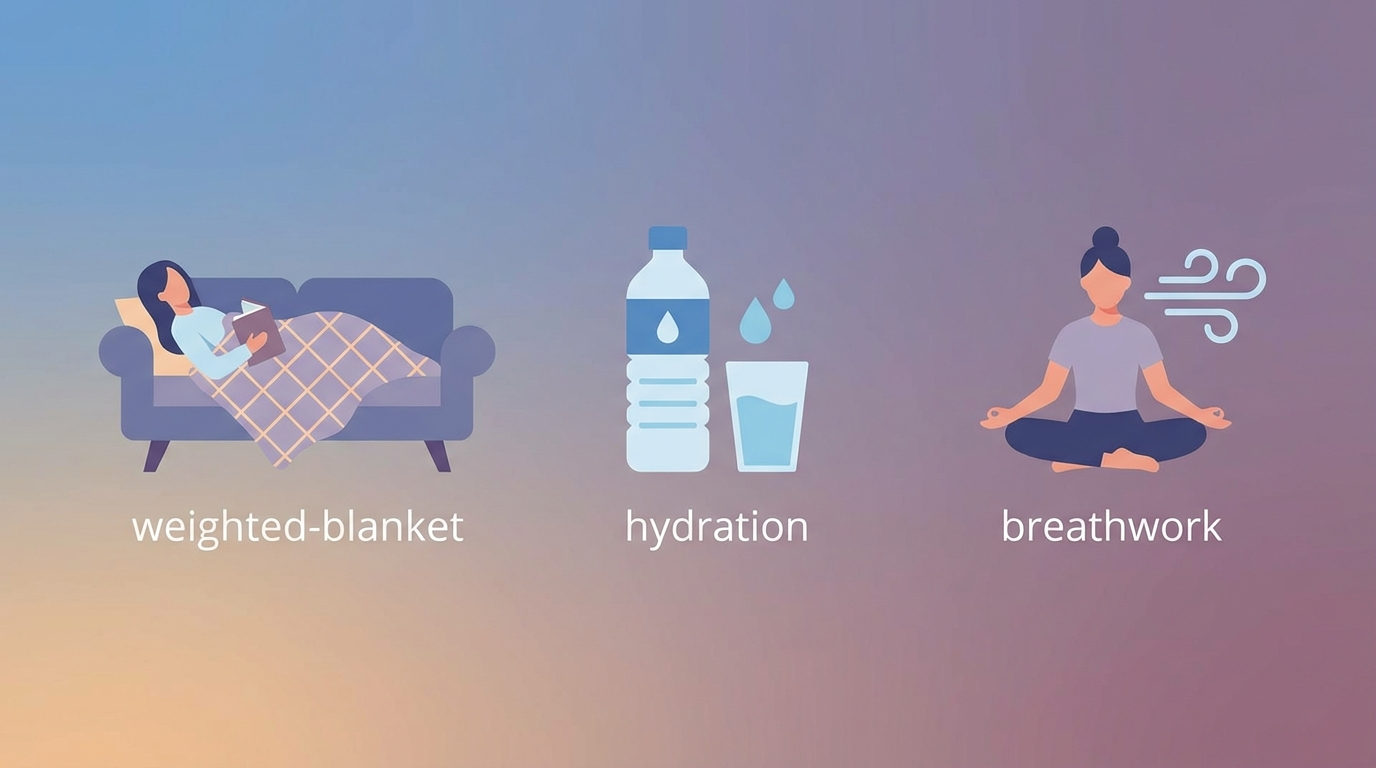
There's something deeply reassuring about being held. In moments of stress, our first instinct is often to wrap our arms around ourselves or seek the comfort of another's embrace. This need for gentle, steady pressure isn't just emotional—it's physiological. Weighted blankets tap into this innate human need, offering a cocoon of calm that helps quiet the mind and ease the body into restful sleep.

Once a niche product known primarily in therapeutic circles, weighted blankets have entered the mainstream as people discover their remarkable ability to improve sleep quality and reduce anxiety. But what makes these heavy blankets so effective, and how do you choose the right one for your needs? This guide explores the science behind weighted blankets, their benefits, and how to find the perfect match for your sleep routine.
What Makes Weighted Blankets Different?
A weighted blanket isn't simply a heavier version of your typical bed covering. While conventional blankets provide warmth and a light layer of comfort, weighted blankets are specifically engineered to deliver gentle, evenly distributed pressure across your entire body. This pressure—typically created with materials like glass beads or micro-poly pellets sewn into compartmentalized sections—creates a hugging sensation that engages your nervous system in profound ways.
The key difference lies in deep pressure stimulation, often abbreviated as DPS. This therapeutic technique applies consistent, firm pressure to the body, triggering a cascade of physiological responses that promote relaxation and sleep. Unlike the fleeting comfort of a regular blanket, a weighted blanket works with your body's natural systems to create lasting calm throughout the night.
The materials used in weighted blankets vary to suit different preferences and needs. Cotton offers breathability and a natural, soft touch that appeals to those who prefer organic fabrics. Polyester provides durability and easier maintenance, making it practical for households that need low-maintenance solutions. Bamboo delivers a silky-smooth texture with excellent temperature regulation, ideal for those who tend to sleep warm. Each material choice affects how the blanket feels against your skin, how well it breathes, and how it contributes to your overall comfort experience.
The Science Behind Deep Pressure Stimulation
Deep pressure stimulation might sound like a complex medical concept, but its effects are something you've likely experienced countless times. Remember how a firm hug from a loved one could instantly make you feel safer? Or how being swaddled as a baby created a sense of security? These experiences rely on the same principle that weighted blankets harness.
When your body experiences gentle, evenly distributed pressure, your parasympathetic nervous system—the branch responsible for "rest and digest" functions—becomes activated. This activation leads to several beneficial changes. Serotonin levels, the neurotransmitter associated with well-being and mood regulation, increase as your body responds to the soothing input. This serotonin then converts to melatonin, the hormone that signals your body it's time to sleep. Simultaneously, cortisol levels—the stress hormone that keeps you alert and anxious—decrease significantly.
The result is a physiological shift from a state of alertness to one of relaxation. Your heart rate slows, your breathing becomes deeper and more regular, and your mind quiets. This transition, which many people struggle to achieve on their own, happens naturally when deep pressure stimulation is applied. For those who battle racing thoughts, anxiety, or simply the stress of daily life, this biological response can be transformative.
Research published in medical journals has documented these effects systematically. Studies examining individuals with insomnia, anxiety disorders, and sensory processing challenges have found that participants fall asleep faster, stay asleep longer, and report higher quality sleep when using weighted blankets compared to conventional bedding.
Who Can Benefit From Weighted Blankets?
Weighted blankets offer support across a wide range of situations and populations. Their benefits extend to anyone seeking better sleep and reduced stress, but they prove particularly valuable for certain groups.
Adults managing anxiety and stress find weighted blankets especially helpful. The constant, gentle pressure provides a grounding sensation that can quiet the mental chatter keeping them awake. Many users describe the experience as having a permanent, warm hug surrounding them—one that doesn't require another person and never runs out of patience or availability.
Individuals with ADHD often struggle with sensory processing and emotional regulation. Weighted blankets help by providing the deep pressure input their nervous systems crave, which can improve focus during waking hours when used for shorter periods, and support better sleep at night. The consistent sensory input helps calm the hyperactive mind and prepare the body for rest.
Those on the autism spectrum frequently experience sensory sensitivities that make conventional bedding uncomfortable or overwhelming. Weighted blankets offer predictable, even sensory input that many find organizing and calming. The "cocoon" feeling creates a defined sensory boundary that can reduce anxiety and improve sleep quality.
Children with sleep difficulties or sensory processing differences can also benefit, though proper sizing and weight selection become especially important for smaller bodies. Many parents find weighted blankets helpful for children who resist sleep, experience night terrors, or simply need extra sensory input to regulate their nervous systems.
Seniors dealing with sleep disruptions, anxiety, or the physical discomforts of aging often discover that weighted blankets provide gentle, medication-free support for better rest. The grounding sensation can be particularly comforting for those experiencing agitation or confusion.
Even without a specific condition, anyone seeking to improve their sleep quality and reduce daily stress can benefit from adding a weighted blanket to their routine. The beauty of this intervention lies in its simplicity—nothing more complex than lying under a specially designed blanket to access deep physiological relaxation.
Finding the Right Weight and Size
Selecting a weighted blanket requires careful consideration of both weight and size to ensure optimal benefits and safety. The general guideline recommends choosing a blanket that weighs approximately 10% of your body weight, plus or minus a few pounds depending on personal preference. Those who prefer lighter pressure might opt for the lower end of the range, while those who enjoy a deeper, more cocoon-like sensation might choose slightly heavier options.
For reference, someone weighing between 100 and 120 pounds typically finds a 10 to 12-pound blanket most comfortable. Individuals between 121 and 150 pounds often prefer 12 to 15 pounds. Those weighing 151 to 180 pounds generally do well with 15 to 18 pounds, and anyone above 180 pounds typically needs 20 pounds or more to achieve the desired therapeutic effect.
Size considerations differ from weight recommendations. A weighted blanket should be large enough to cover your body comfortably without hanging so heavily off the sides that it creates excess weight or heat retention. For single sleepers, a twin or full-size blanket usually works well. Couples have options: some prefer sharing a larger blanket designed for two, while others each use their own individual blanket to ensure everyone gets their preferred weight and coverage.
Children require special attention when selecting weighted blankets. Their smaller bodies need proportionally lighter blankets, and supervision is recommended until you observe how they respond to the added weight. The blanket should never cover their face or restrict breathing in any way.
The goal is to feel gently held, not constrained or overheated. If a blanket feels suffocating or causes discomfort, it's too heavy or not the right design for your needs. Your body provides honest feedback—listen to it during the adjustment period as you find your ideal match.
Safety Considerations and Who Should Use Caution
While weighted blankets are safe for most people, certain individuals should consult healthcare providers before use. Those with respiratory conditions such as asthma or COPD may find the added weight restricts breathing, especially if the blanket extends across the chest area. People with heart conditions or circulatory issues should similarly seek medical advice, as should those with severe sleep apnea, where additional weight could potentially interfere with breathing patterns during sleep.
Individuals who experience claustrophobia may find weighted blankets unsettling rather than calming. The cocoon-like sensation that many find soothing can feel confining to those with containment sensitivities. If you're unsure whether this applies to you, try a lighter weighted blanket or a weighted pillow first before committing to a full blanket.
Those with diabetes-related neuropathy should exercise caution, as reduced sensation in extremities could mean they don't notice if the blanket causes discomfort or restricts blood flow. Regular monitoring and shorter initial use periods can help identify any issues before they become problematic.
For most healthy adults and children, however, weighted blankets pose no significant risks when used appropriately. Start with shorter periods of use—perhaps 20 to 30 minutes before bed—to allow your body to adjust to the sensation before sleeping with the blanket throughout the night.
Weighted Blankets Versus Weighted Pillows: Which Is Right for You?
Weighted blankets offer remarkable benefits, but they're not without limitations. Their bulk and weight make them difficult to move, store, or travel with. Many people find them too warm for comfortable year-round use, particularly those who naturally sleep hot. The significant investment required for a quality weighted blanket can also be a barrier for those wanting to try weighted therapy without committing to a large purchase.
This is where weighted pillows enter the picture as an excellent alternative or complement. Quiet Mind weighted pillows deliver the same deep pressure stimulation benefits in a more versatile, portable form. You can use them while sitting on the couch, working at your desk, or lounging in any room of your house. Their smaller size means they won't cause overheating, and their targeted application allows you to focus pressure exactly where you need it—across your lap, against your chest, or wrapped in your arms.
Weighted pillows make an ideal introduction to deep pressure therapy. Their lower price point allows you to experience the calming benefits without the significant investment of a blanket. Many people start with a pillow, discover how effectively it reduces their stress and improves their sleep, and later add a weighted blanket to their collection once they're confident in the therapy's benefits for them.
For maximum benefit, many users find that combining both—a weighted blanket for nighttime sleep and a weighted pillow for daytime stress relief—creates a comprehensive approach to nervous system regulation throughout the entire day.
Integrating Weighted Blankets Into Your Sleep Routine
Experiencing the full benefits of a weighted blanket involves more than simply draping it over your body before sleep. Creating a consistent routine enhances its effectiveness and helps your body recognize the signals that it's time to rest.
Begin by using your weighted blanket for short periods before bed, allowing your nervous system to associate it with the transition toward sleep. Many users find that 30 to 60 minutes of blanket use while reading, listening to calming music, or practicing gentle breathing maximizes the relaxation response. As your body adapts, you can extend the duration throughout the night.
Pairing your weighted blanket with other relaxation practices amplifies the benefits. Deep breathing exercises, meditation, gentle stretching, or progressive muscle relaxation all complement the physiological effects of deep pressure stimulation. Over time, these combined practices create a powerful sleep ritual that signals to your body that it's time to release the day's tensions and embrace rest.
Consistency proves key. Using your weighted blanket regularly—ideally every night—helps establish the neurological pathways that associate the blanket with relaxation and sleep. The more consistently you use it, the more efficiently your nervous system will respond to its calming influence.
Temperature management deserves attention as well. If you tend to sleep warm, look for breathable materials and consider using your weighted blanket in cooler months or in air-conditioned rooms. Some manufacturers offer cooling technologies specifically designed for warm sleepers who want the benefits of weighted therapy without overheating.
When Weighted Blankets Aren't the Perfect Fit
Despite their many benefits, weighted blankets don't work for everyone. Some people find the weight uncomfortable or discover they sleep better with less covering. Others live in warm climates where any blanket, weighted or not, causes overheating. Frequent travelers may struggle with the impracticality of transporting a heavy blanket from place to place.
If you've tried a weighted blanket and found it lacking, don't dismiss the benefits of deep pressure stimulation entirely. Weighted pillows offer a lighter, more portable alternative that provides many of the same benefits in a different form. The principles of deep pressure stimulation remain active—you're simply applying pressure to a more targeted area rather than your entire body.
Many people find that weighted pillows suit their lifestyle better. They work equally well for daytime stress relief and nighttime sleep support. You can keep one at your desk for anxious moments, another on the couch for evening relaxation, and still another in your bed for sleep. This versatility makes weighted pillows a practical addition to any wellness toolkit.
Discover the Calm of Weighted Comfort
Weighted blankets have earned their place as a trusted tool for better sleep, calmer minds, and gentler nights. The science behind deep pressure stimulation validates what millions of users have discovered intuitively: gentle, even pressure applied to the body can transform restless nights into restful ones and anxious days into calmer ones.
But comfort shouldn't require compromise. If weighted blankets feel too bulky, too warm, or too impractical for your lifestyle, Quiet Mind weighted pillows offer a compelling alternative. These thoughtfully designed pillows deliver the same grounding, soothing pressure that makes weighted blankets so effective, but in a form that fits seamlessly into your everyday routine. Use them during your morning meditation, that stressful afternoon meeting, or as you prepare for sleep—wherever you need calm, wherever you go.
Your journey toward better sleep and greater peace doesn't require a single perfect solution. It requires finding the tools that work for your unique body, lifestyle, and needs. Quiet Mind weighted pillows provide an accessible, affordable, and versatile entry point into the world of deep pressure stimulation. Experience how a simple pillow can transform your daily stress and nightly rest—your calmer, more rested self will thank you.